
Powered By



 Continue with Facebook
Continue with Email
Continue with Facebook
Continue with Email
If you’re living with a desmoid tumor, you may have pain that interferes with your daily life. Pain is a possible symptom of desmoid tumors, especially with tumors that grow and affect nearby tissues. So, how do you find relief?
In this article, we’ll cover four ways you can relieve pain associated with desmoid tumors. It’s important to work closely with your desmoid tumor healthcare team to control pain. Together, you can improve your quality of life with desmoid tumors.
Desmoid tumors are benign (noncancerous) growths that can form anywhere in the body’s connective tissue. Most start as painless lumps you can feel under your skin.
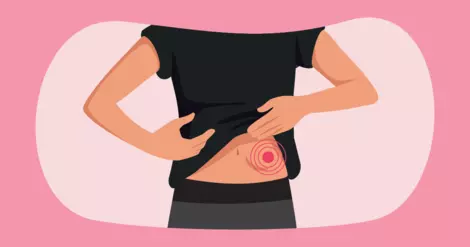
However, some desmoid tumors continue growing and invading nearby tissues. You may experience pain or soreness near the tumor if it begins pressing on muscles, nerves, or blood vessels.
Studies also report that up to 63 percent of people living with desmoid tumors experience chronic (long-term) pain. If it’s left untreated, chronic pain can lead to other complications, including:
When living with a desmoid tumor, it’s important to listen to your body. Pay attention to any new pain. Is it near your desmoid tumor, or has it started in a new place? Has your pain become worse over time?
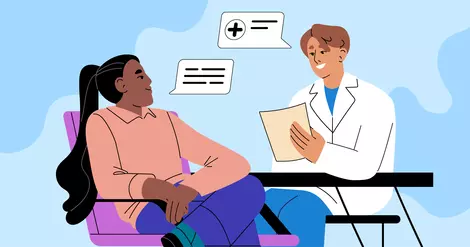
These could be signs that your desmoid tumor is progressing. It’s a good idea to make an appointment with your doctor or a sarcoma expert (a doctor who specializes in soft tissue tumors).

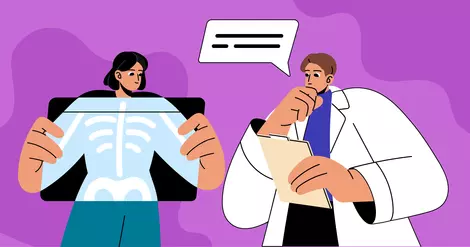
Based on imaging tests and your symptoms, your care team can decide if it’s time to adjust your desmoid tumor care plan. If you’re currently under active surveillance (periodic monitoring to assess tumor growth), new pain could be a sign that it’s time to begin active treatment.
Desmoid tumor treatment could include medical therapy options like targeted treatments or chemotherapy. Cryoablation (a treatment that uses extreme cold to freeze and destroy tumor cells) or surgery may also be appropriate in certain situations.
If you’re experiencing pain with your desmoid tumor, consider trying the following approaches to relieve pain and improve your quality of life. As always, talk to your medical team about your pain and the best ways to manage it.
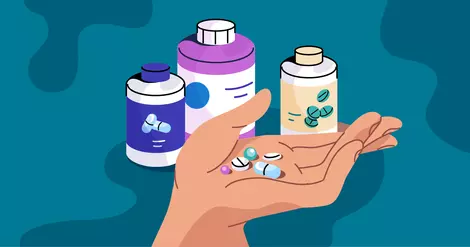
Nonsteroidal anti-inflammatory drugs (NSAIDs) are a treatment option that works by blocking inflammatory chemicals. This helps relieve pain associated with inflammation.
NSAIDs can be used to relieve pain from desmoid tumors. Your doctor can write a prescription for an NSAID like celecoxib or sulindac. You can also purchase over-the-counter NSAIDs, including:
NSAIDs can be safe when taken as directed, but every medication has potential side effects. NSAIDs may cause open sores or ulcers in your stomach and raise your risk of bleeding.
Taking NSAIDs with food may help reduce stomach irritation, but it doesn’t eliminate the risk of ulcers or bleeding. Ask your healthcare team how to take NSAIDs safely.
Call your doctor if you begin experiencing:
Your healthcare team can help you understand the risks and benefits of the specific treatment option they recommend.
Physical therapists are professionals trained to treat a variety of mobility problems. Your surgical or radiation oncologist may recommend that you see a physical therapist after you’ve recovered from desmoid tumor surgery or radiation therapy.
Physical therapists teach strengthening and range-of-motion exercises to improve mobility and muscle strength after treatment.
Your doctor can also refer you to physical therapy for treating chronic pain. Physical therapists are experts in strength, flexibility, and body mechanics. They can help you better understand how your body’s soft tissues work and the best ways to relieve related pain.
Everyone’s chronic pain is unique. Your therapist will create a treatment plan that works best for your needs.
Acupuncture is a complementary therapy used in traditional Chinese medicine for pain relief. A trained acupuncturist inserts very thin needles into the skin near painful areas to treat symptoms.
Acupuncture is especially helpful for treating myofascial pain — pain in the connective tissue surrounding muscles.
No studies show that acupuncture specifically treats desmoid tumor pain. However, a meta-analysis of 39 studies found that acupuncture is an effective treatment for chronic pain.
If you’re interested in trying acupuncture, look for a certified provider near you. Your doctor can also refer you to a licensed or certified acupuncture provider.
Pain and discomfort from desmoid tumors can take a toll on your mental health. Some people find that practicing mindfulness and meditation improves pain and stress. Using these techniques on a regular basis may help you relax and improve desmoid tumor pain.
Not sure where to start on your mindfulness journey? You can find mindfulness exercises on YouTube or your favorite music streaming site. Search for practices that specifically aim to relieve pain and stress.
You can also sign up for a meditation or mindfulness app. Your local library may offer free meditation resources as well.
If you’re still having trouble managing pain from your desmoid tumor, talk to your doctor. They can refer you to a provider who specializes in pain management.
Your oncology center may have pain specialists on staff. Your desmoid tumor treatment team and pain specialist can work together to tailor a pain-management plan to your individual needs.
On MyDesmoidTumorTeam, people share their experiences with desmoid tumors, get advice, and find support from others who understand.
What’s helped you the most in managing desmoid tumor pain? Let others know in the comments below.
Get updates directly to your inbox.



 Continue with Facebook
Continue with Email
Continue with Facebook
Continue with Email
Continue with Facebook
Continue with Email
Continue with Facebook
Continue with Email
Become a member to get even more





 Join
Join

 Your Privacy Choices

This is a member-feature!
Sign up for free to view article comments.
Once again, very helpful for the common person. For me I have always tried to learn about nutrition and anatomy and physiology. Please talk to your doctor and pharmacist if reading further and decide… read more
We'd love to hear from you! Please share your name and email to post and read comments.
You'll also get the latest articles directly to your inbox.