
Powered By



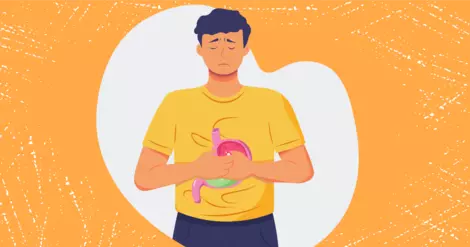
If you live with desmoid tumor, you may expect pain, swelling, or pressure. What you may not expect is how much these rare tumors can change the way your stomach and bowels work. For some people, digestion becomes slow and uncomfortable. For others, going to the bathroom becomes painful, urgent, or unpredictable. These changes can be stressful and scary, especially when they appear suddenly or keep getting worse.
Desmoid tumor is not cancer but can still cause serious health problems. When these tumors grow inside the abdomen, they can press on organs that control digestion and bowel movements. Treatments for desmoid tumor can also upset the stomach and change bowel habits.
This article explains how desmoid tumor can affect digestion and going to the bathroom, why these changes happen, and when it is important to call your healthcare provider.
Desmoid tumors are rare growths that start in connective tissue. This tissue supports and connects muscles, organs, and other parts of the body. These tumors do not spread to other areas like cancer, but they can grow into nearby tissues and cause damage by pressing on important structures and surrounding tissue. Desmoid tumors can grow in many places, including:
Tumors inside the abdomen are called intra-abdominal desmoid tumors. These are the most likely to cause digestive and bowel problems because they grow so close to the stomach and intestines.
The abdomen holds many important organs, including the stomach, intestines, liver, pancreas, and bladder. When a desmoid tumor grows in this crowded space, it can push on these organs, blood vessels, and nerves. This pressure can:
Even a small tumor can cause big symptoms if it grows in the wrong spot. As the tumor changes in size over time, symptoms may also change or worsen.
Not everyone with desmoid tumor has digestive problems, but symptoms are much more common with intra-abdominal tumors. These problems may come and go, stay steady, or slowly get worse.
Pain is one the most common symptoms. Tumors can press on organs and nerves and cause:
This type of abdominal pain may be mild at first and become stronger over time. For some people, pain affects sleep, work, and daily activities.
Constipation means having hard stools, having bowel movements less often, or feeling like you cannot fully empty your bowels. A tumor can cause constipation by pressing on the colon or slowing the nerves that control bowel movement. Constipation can lead to bloating, discomfort, straining, and a lasting feeling of fullness.
Some people have diarrhea instead of constipation. This can happen if the bowel becomes irritated or inflamed from treatment side effects. Diarrhea can lead to dehydration, weakness, and skin irritation. It can also make it hard to leave the house.
A bowel obstruction is a medical emergency. It happens when stool or gas cannot move through the intestines. An intra-abdominal desmoid tumor can squeeze part of the bowel shut or cause it to twist. In severe cases, this can become life-threatening if not treated quickly. Signs include:
These symptoms need emergency care right away.
Digestive problems do not always come from the tumor itself. Many desmoid tumor treatments can also affect the stomach and bowels. The management of desmoid tumor often requires balancing tumor control with side effects.
Nonsteroidal anti-inflammatory drugs (NSAIDs) can be used to manage pain. Certain NSAIDs may irritate the stomach and cause:
Taking these medications with food may help some people.
Chemotherapy and targeted therapies affect fast-growing cells, including those in the digestive tract. Possible side effects include:
Targeted therapies can help control tumor growth, but bowel side effects often need monitoring.
Surgery is used less often today but may be needed for bowel blockage or severe symptoms. Surgery inside the abdomen can cause more risks than benefits, and these risks should be discussed with a specialist.
Desmoid tumor grows in unpredictable ways. Some tumors stop growing or even shrink. Others grow quickly. Because of this, digestive symptoms can also change. You may notice new symptoms, stronger pain, or times when things improve for a while and then worsen. Any new or worsening symptoms should always be shared with your doctor.
Digestive and bowel problems can affect eating, sleep, work, relationships, and mental health. Some people feel embarrassed talking about bowel habits, but these symptoms are common with intra-abdominal desmoid tumors and need medical care. Some people find relief by:
Always check with your care team before starting new medications, supplements, or diet changes.
Call your doctor or seek emergency care if you have:
These may be signs of a bowel obstruction, infection, or other serious problem.
Not all doctors have experience treating desmoid tumor because it is a rare condition. It helps to work with a team that understands how these tumors affect digestion and daily health. Be open about your symptoms and how they affect your life. You may find it helpful to do the following:
Regular follow-up visits play an important role in adjusting care plans and reviewing treatment options.
On MyDesmoidTumorTeam, people share their experiences with desmoid tumors, get advice, and find support from others who understand.
Do you have digestive problems related to your desmoid tumor? Let others know in the comments below.
Get updates directly to your inbox.




 Continue with Facebook
Continue with Email
Continue with Facebook
Continue with Email
Continue with Facebook
Continue with Email
Continue with Facebook
Continue with Email
Become a member to get even more





 Join
Join

 Your Privacy Choices

This is a member-feature!
Sign up for free to view article comments.
Informative for those with limited knowledge. I have extensive knowledge on the subject. I have an intra abdominal desmoid tumor that abscessed and blew through the abdomenal wall. I now have to wear… read more
We'd love to hear from you! Please share your name and email to post and read comments.
You'll also get the latest articles directly to your inbox.