
Powered By



Desmoid tumors are rare growths that develop in the connective tissue, the tissue that helps support and hold your body together. These tumors are benign (noncancerous), meaning they don’t spread to other parts of the body, but they can still grow aggressively where they form. Desmoid tumors can appear in almost any part of the body, including the arms, legs, abdomen, and chest.
In this visual guide, we’ll describe what desmoid tumors look like in different parts of the body. Everyone’s experience with desmoid tumors is unique, but understanding their typical appearance and behavior can help you know what to watch for and when to talk with your doctor.
To understand why desmoid tumors can look so different from one another, it helps to know how they develop. Desmoid tumors begin in fibroblasts, a type of cell found in connective tissue that helps the body heal and repair itself.
Because connective tissue is found throughout the body, desmoid tumors can appear in many places. Their appearance can vary based on several factors, including:
Let’s break down how desmoid tumors present differently in different parts of the body. These tumors can be classified as intra-abdominal (within the abdomen) or extra-abdominal (outside the abdomen).
Intra-abdominal desmoid tumors grow deep inside the abdomen. Connective tissue called mesentery holds your internal organs in place, which can be the site of growth for desmoid tumors. These are harder to detect because they aren’t visible outside the body.
Because they’re deep inside the abdomen, you can’t see or feel these tumors. Instead, they’re typically detected with imaging tests such as ultrasound, CT scan, or MRI. In these images, they may appear as smooth, solid masses of various sizes and shapes.
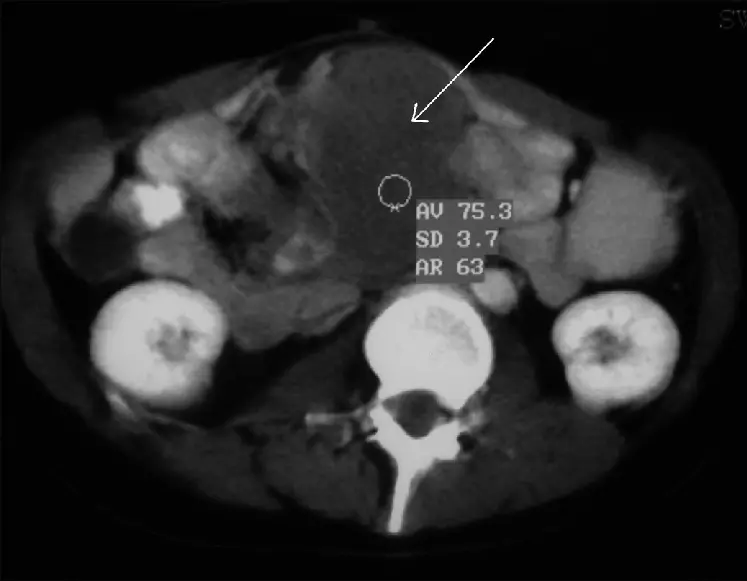
While you can’t see these tumors from the outside, you may have some symptoms from them. Most commonly, desmoid tumors are asymptomatic. People with symptoms may experience pain, bloating, abdominal fullness, or changes in urinary or bowel habits.
Desmoid tumors can develop in the abdominal wall, usually around the rectus (six-pack) muscles. This location is sometimes associated with pregnancy, as changes in estrogen levels may promote desmoid tumor growth.

People with tumors in this location may notice a firm, quickly or slowly growing mass beneath the skin. The skin around it usually looks normal, without any color changes. Abdominal wall desmoid tumors may vary greatly in tumor size, from a small bump to a large protrusion. Unless it grows exactly in the center, an abdominal wall tumor will appear one-sided and asymmetric, affecting either the right or left part of the abdomen.
Besides noticing a visible bulge or firm spot in your belly, you may have mild discomfort or tightness with certain types of movement.
Among extra-abdominal desmoid tumors, about one-third occur in the shoulders and upper arm. These tumors typically grow within muscle or connective tissue in the upper body.
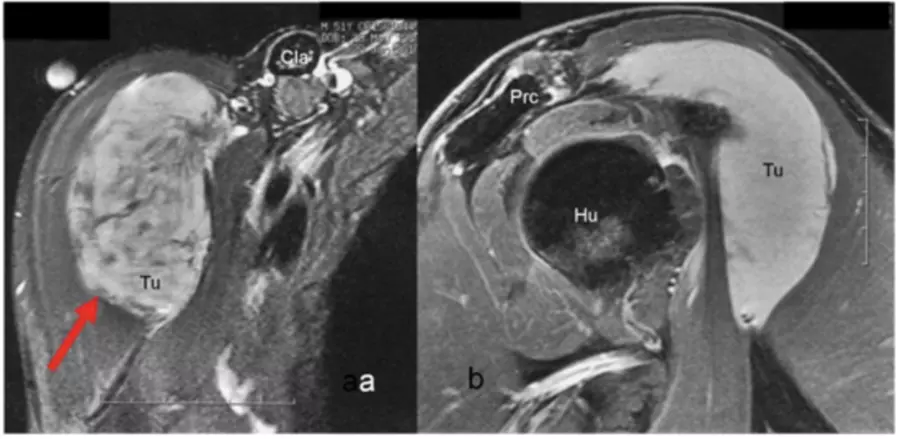
The tumor may appear as a firm, rounded lump beneath the skin or muscle. With muscle use, the lump may become more obvious. Like other desmoid tumors, upper body tumors may range in size but become more noticeable the larger they get.
Other than changes in appearance, you may notice aching, soreness, limited range of motion, or tingling in the hands.
Like upper body desmoid tumors, the lower body is a common site for desmoid tumors outside the abdomen.
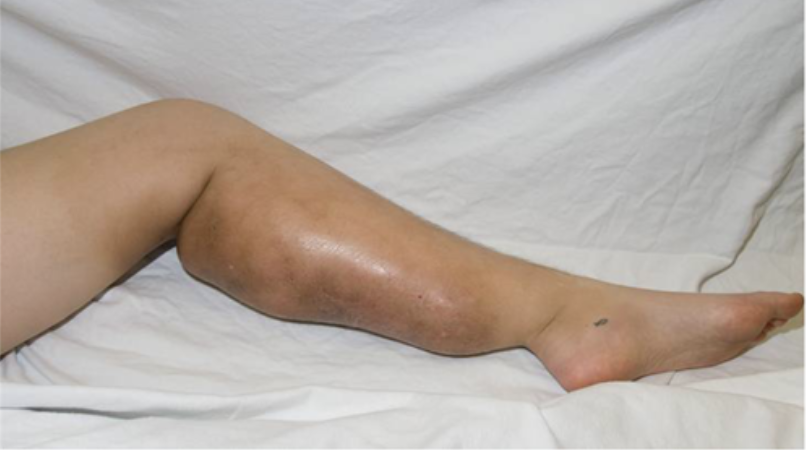
These tumors also look like solid, firm lumps. You may notice that one leg is fuller than the other, or that your muscles appear to be shaped differently in the affected leg. Sometimes they may cause discoloration or swelling in your leg.
Other symptoms may include heaviness, weakness, or discomfort with physical activity.
In about 10 percent of cases, extra-abdominal desmoid tumors grow in the head or neck area — including the jaw, neck, or deep facial tissues. Because these are such delicate and visible parts of the body with many nerves and little fat, even small tumors may be noticeable.
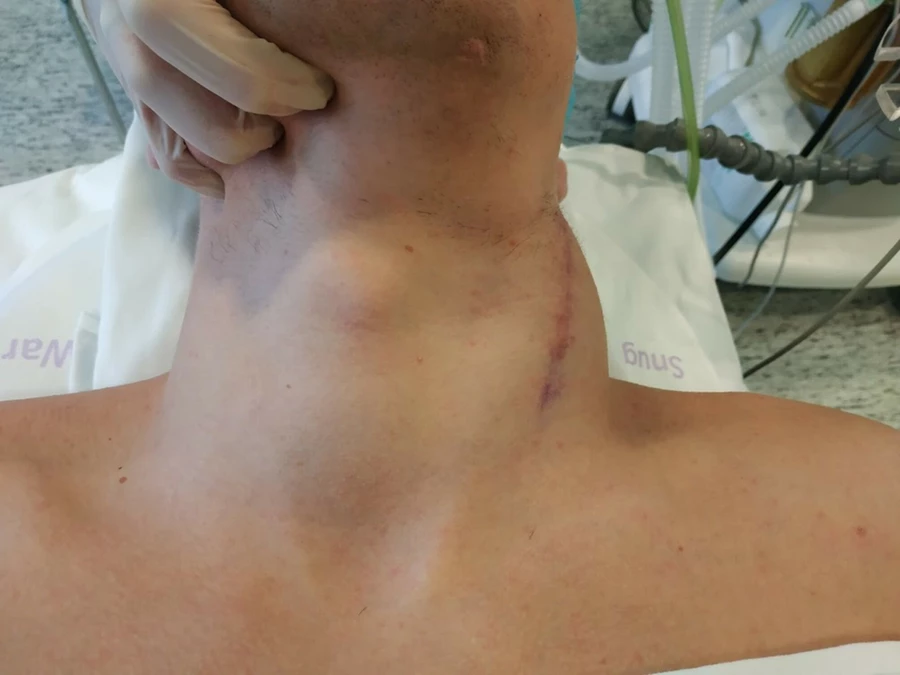
These tumors may appear as firm, well-defined lumps or swelling that stretch the skin. In the jaw, these tumors may alter the shape of your face.
Outside of changes to your facial appearance, you may notice tightness with head or neck movements or even difficulty swallowing. When a tumor invades the nerve, it can cause pain.
Chest wall and trunk desmoid tumors are not as common as upper or lower extremity tumors. However, they can grow larger than in other locations because there’s room to expand. They may develop in back muscles, between ribs, or along the torso.

The tumor appears as a firm swelling in the chest or back. The mass may change size or shape with breathing or position. Tumors may even invade part of the lung, called the pleura.
Other than a visible mass, you may notice chest tightness, discomfort when lying on one side, or discomfort with deep breathing.
It’s important to contact your doctor anytime you notice:
Most lumps are not desmoid tumors, but medical evaluation can help clarify the cause and determine the need for intervention.
If you already are diagnosed with a desmoid tumor, it’s important to reach out to your healthcare team if you notice any changes in the size of your tumor or other symptoms. These could be signs that your tumor is progressing. Your doctor can work with you to determine if you need to adjust your treatment plan.
On MyDesmoidTumorTeam, people share their experiences with desmoid tumors, get advice, and find support from others who understand.
What do your desmoid tumors look like? Let others know in a comment below.
Get updates directly to your inbox.


Can the tumor grow in women's vigin



 Continue with Facebook
Continue with Email
Continue with Facebook
Continue with Email
Continue with Facebook
Continue with Email
Continue with Facebook
Continue with Email
Become a member to get even more





 Join
Join


 Your Privacy Choices

This is a member-feature!
Sign up for free to view article comments.
Through different tests done. An Oncology doctor said I have a Desmoid tumor. From January through June I have had several tests done and it has been determent that I have Desmoid tumor under my left… read more
We'd love to hear from you! Please share your name and email to post and read comments.
You'll also get the latest articles directly to your inbox.